

The allure of risk-taking
Risk-taking is a fundamental aspect of human behavior, deeply embedded in our psychology. In the context of casinos, the allure of risk can be traced back to the thrill it provides, often linked to adrenaline and excitement. This feeling can be highly addictive, as players seek out the high stakes and the potential rewards that come with them, especially at the best nongamstop casinos uk where opportunities abound. The environment is designed to promote this risk-taking behavior, with bright lights, engaging sounds, and other sensory stimuli that heighten the overall experience.
Moreover, the concept of risk in casinos is not purely financial; it also taps into the psychological drive for self-validation and social interaction. Winning can bolster a player’s self-esteem, providing a sense of achievement that transcends mere monetary gains. This psychological aspect often encourages individuals to take risks they might shy away from in other areas of life, thereby enhancing the allure of casinos as spaces for both personal growth and entertainment.
The interplay between risk and reward in casinos creates a unique dynamic that fuels continued participation. When individuals win, even if it’s a small amount, it can trigger the brain’s reward system, leading to further engagement. The anticipation and uncertainty associated with risk-taking can result in a dopamine release, reinforcing the desire to gamble more. This cycle of risk and reward is a significant factor in drawing individuals into the casino environment repeatedly.
The role of cognitive biases
Cognitive biases play a crucial role in shaping how individuals approach risk-taking in casinos. One prevalent bias is the illusion of control, where gamblers believe they can influence outcomes in games of chance. For instance, players may feel that specific rituals or strategies can improve their odds, leading them to engage in riskier bets. This belief can enhance their excitement but also increases the likelihood of reckless financial decisions.
Another common cognitive bias is the gambler’s fallacy, the erroneous belief that past events can influence future outcomes. This fallacy may lead individuals to continue betting on a losing streak, convinced that their luck will soon change. Such biases illustrate how the mind can distort reality, encouraging greater risk-taking than might be rationally justified. In essence, these cognitive distortions contribute to the mythos surrounding gambling, captivating players and propelling them into a cycle of risky behavior.

The presence of these cognitive biases underscores the complex psychological landscape that casinos exploit. Understanding these biases not only helps explain why people take risks but also offers insights into responsible gambling practices. By recognizing these tendencies, players can better navigate their experiences in casinos and potentially mitigate the negative consequences of excessive risk-taking.
The impact of social dynamics
Social dynamics significantly influence risk-taking behavior in casinos. The social environment can create a sense of camaraderie and competition among players, motivating individuals to engage in riskier behaviors. Being surrounded by others who are gambling can amplify the excitement, as players share their highs and lows. This collective atmosphere can lead to a phenomenon known as “groupthink,” where individuals feel pressured to conform to the risk-taking behaviors of their peers.
Additionally, the role of social validation cannot be overlooked. Players are often driven by the desire to impress friends or peers, which can lead them to make bolder bets than they might otherwise consider. This behavior is further fueled by the visibility of wins and losses, as social media and public displays of success become intertwined with personal identity. The desire to showcase one’s gambling prowess can push individuals towards increasingly risky bets.
However, not all social influences are positive. The presence of gambling addiction among peers can create an environment where risky behaviors are normalized. Understanding these social dynamics is essential for developing awareness of one’s habits and influences while gambling. By fostering a more critical approach to social interactions in casinos, individuals can navigate their experiences more safely and responsibly.
Coping mechanisms and the thrill of risk
Many individuals turn to casinos as a means of coping with stress, anxiety, or boredom, viewing risk-taking as an escape from everyday life. The adrenaline rush that accompanies gambling can serve as a temporary distraction, providing a sense of exhilaration that is often lacking in day-to-day routines. This psychological escapism draws many players into a cycle of thrill-seeking behavior, as they repeatedly seek out the high associated with risk-taking.
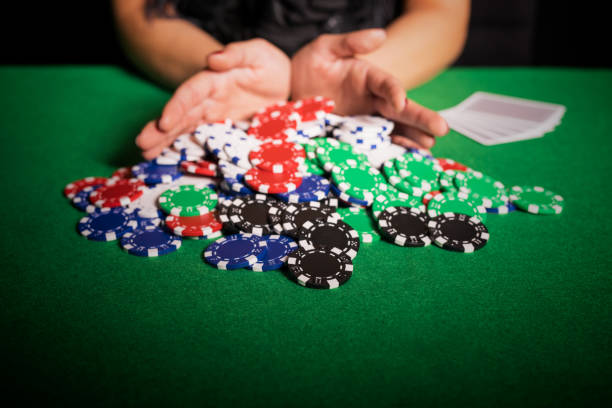
Moreover, the thrill of risk is closely tied to the concept of flow, where players become fully immersed in the gambling experience, losing track of time and self-awareness. This state can be incredibly rewarding, leading individuals to return to casinos in search of that heightened level of engagement. However, this desire for escapism can blur the lines between healthy risk-taking and problematic gambling behavior, necessitating awareness and self-regulation.
Coping mechanisms tied to risk-taking are often complex and multifaceted. Individuals may find themselves using gambling as a way to manage emotional pain or fulfill social needs. To ensure positive outcomes, it is crucial to cultivate a balanced perspective on gambling and to develop healthier coping strategies. Recognizing when risk-taking serves a functional purpose versus when it becomes a detrimental habit is key to maintaining a sustainable relationship with gambling activities.
Understanding responsible gambling
In light of the psychology behind risk-taking in casinos, understanding responsible gambling practices becomes imperative. It is essential for individuals to recognize their limitations and understand the risks involved in gambling. By setting clear boundaries, players can enjoy the thrill without falling into the traps of addiction or financial ruin. Developing a personal strategy that incorporates self-awareness and self-discipline can be instrumental in fostering a healthier gambling environment.
Responsible gambling also involves seeking support when necessary. Many organizations offer resources and counseling for individuals struggling with gambling addiction. By promoting awareness and accessibility to such support systems, the gambling industry can contribute to a more balanced approach to risk-taking. Education about the psychological aspects of gambling can empower individuals to make informed decisions while engaging in their favorite activities.
Ultimately, understanding the intricate relationship between psychology and gambling offers valuable insights into fostering responsible habits. Acknowledging the allure of risk while remaining conscious of its potential pitfalls can lead to a more enjoyable and safe gambling experience. By prioritizing self-control and awareness, players can better navigate the complexities of risk-taking in casinos.